Tutorials
Practical guides on uptime, monitoring, DRaaS, load balancing and AWS reliability from Pingy.io. Tracking an incident? See Outage Reports.
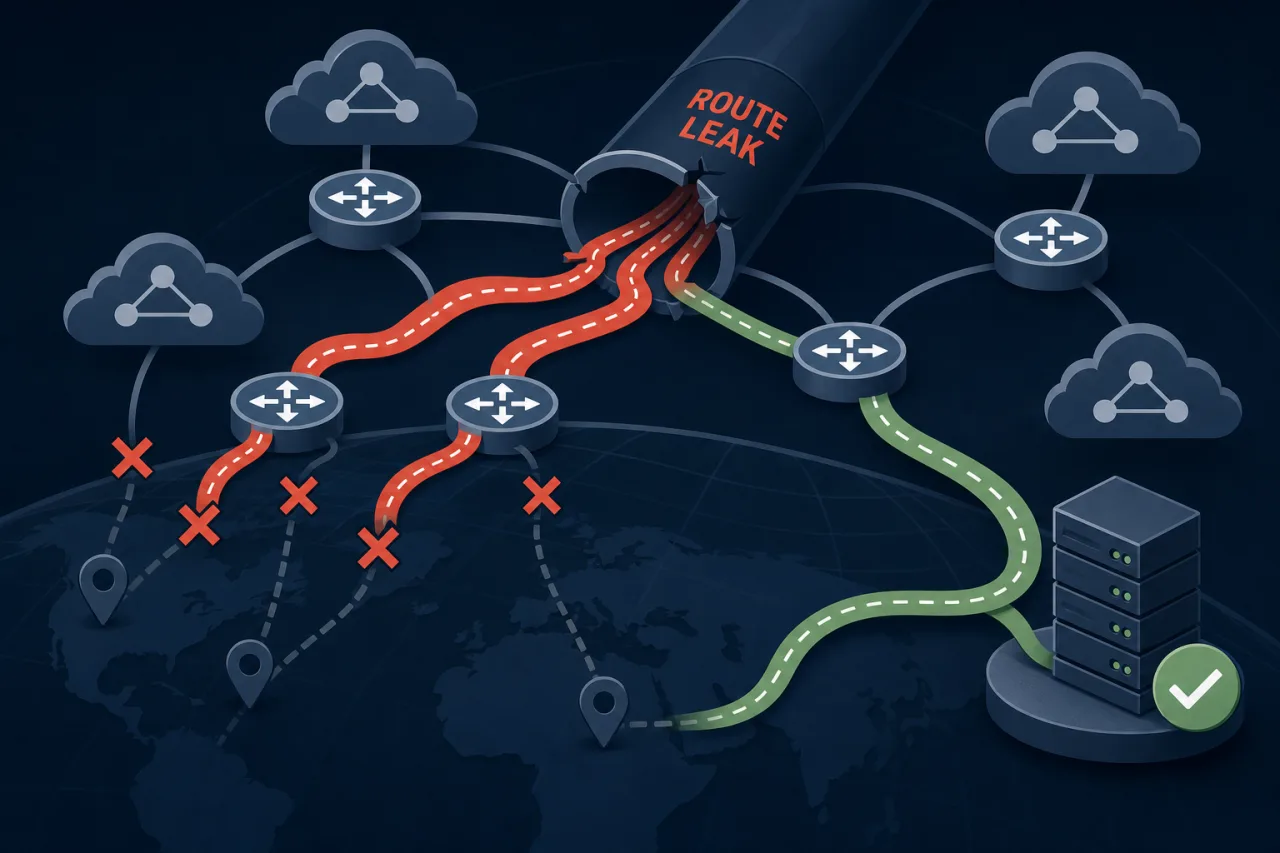
BGP Route Leaks: What Fails and How to Investigate
Trace an accidental transit path, understand the limits of origin validation, and collect evidence for a regional reachability problem.
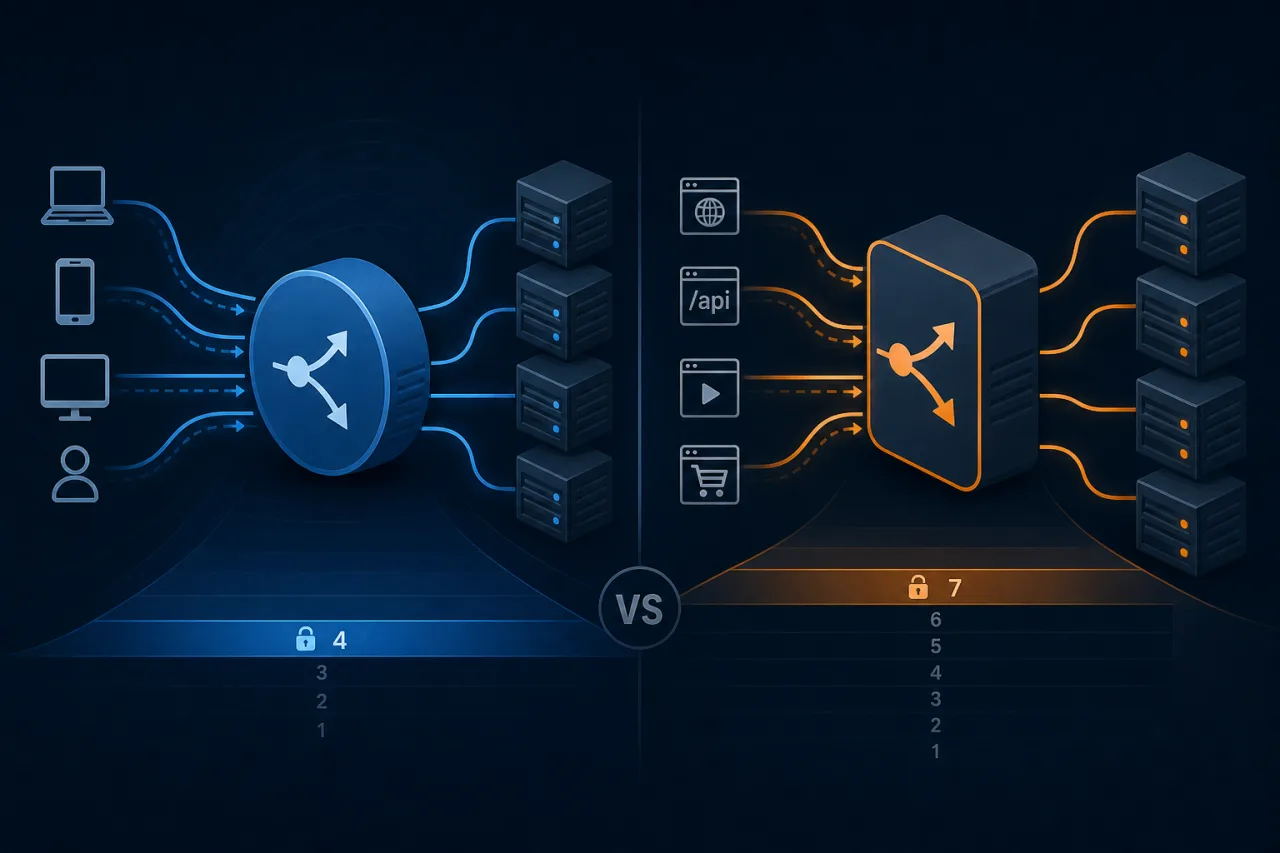
Layer 4 vs Layer 7 Load Balancing Explained
Follow TCP connections and HTTP requests through two network diagrams. Compare TLS, routing rules, health checks and backend failure behavior.
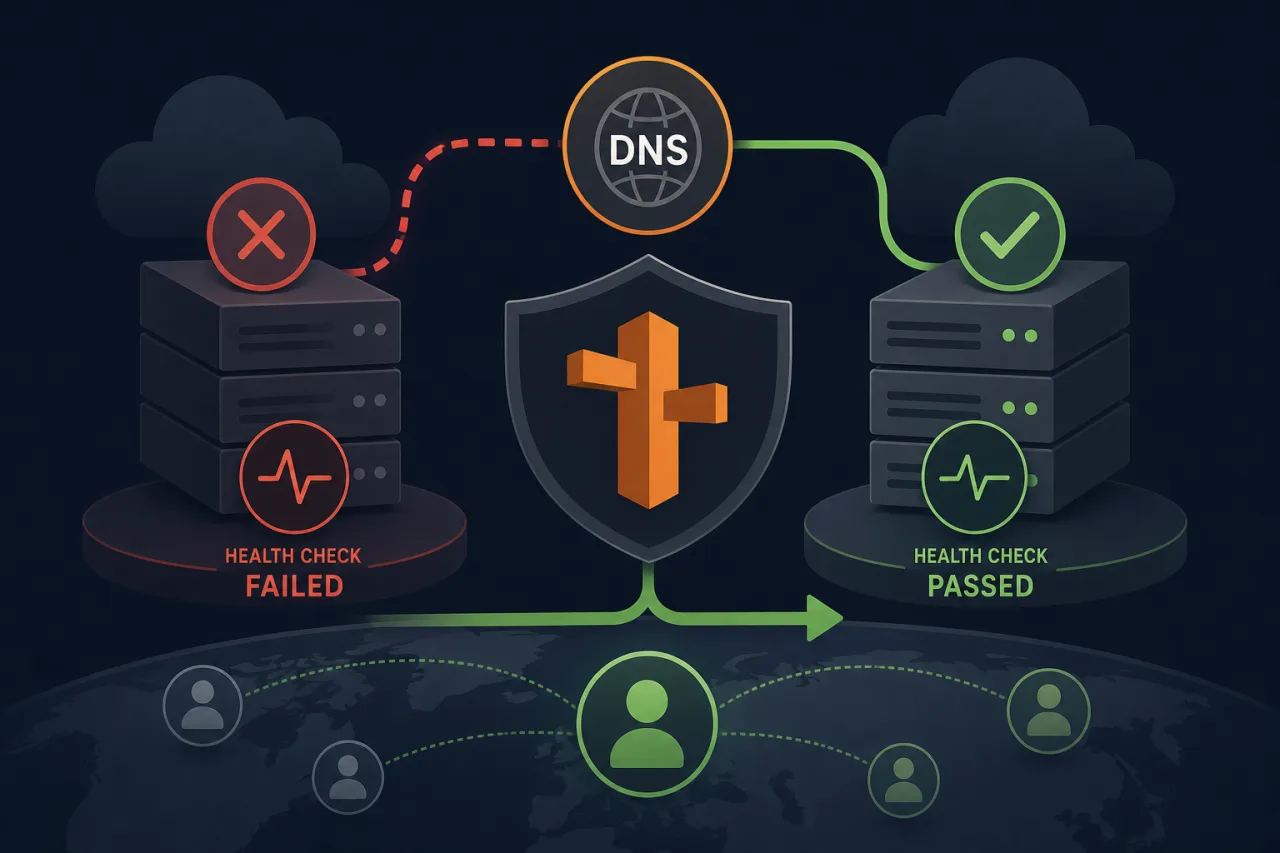
Route 53 Health Checks and DNS Failover: A Step-by-Step Guide
Learn how to configure Route 53 health checks and DNS failover so traffic automatically reroutes to a healthy endpoint when your primary origin goes down.
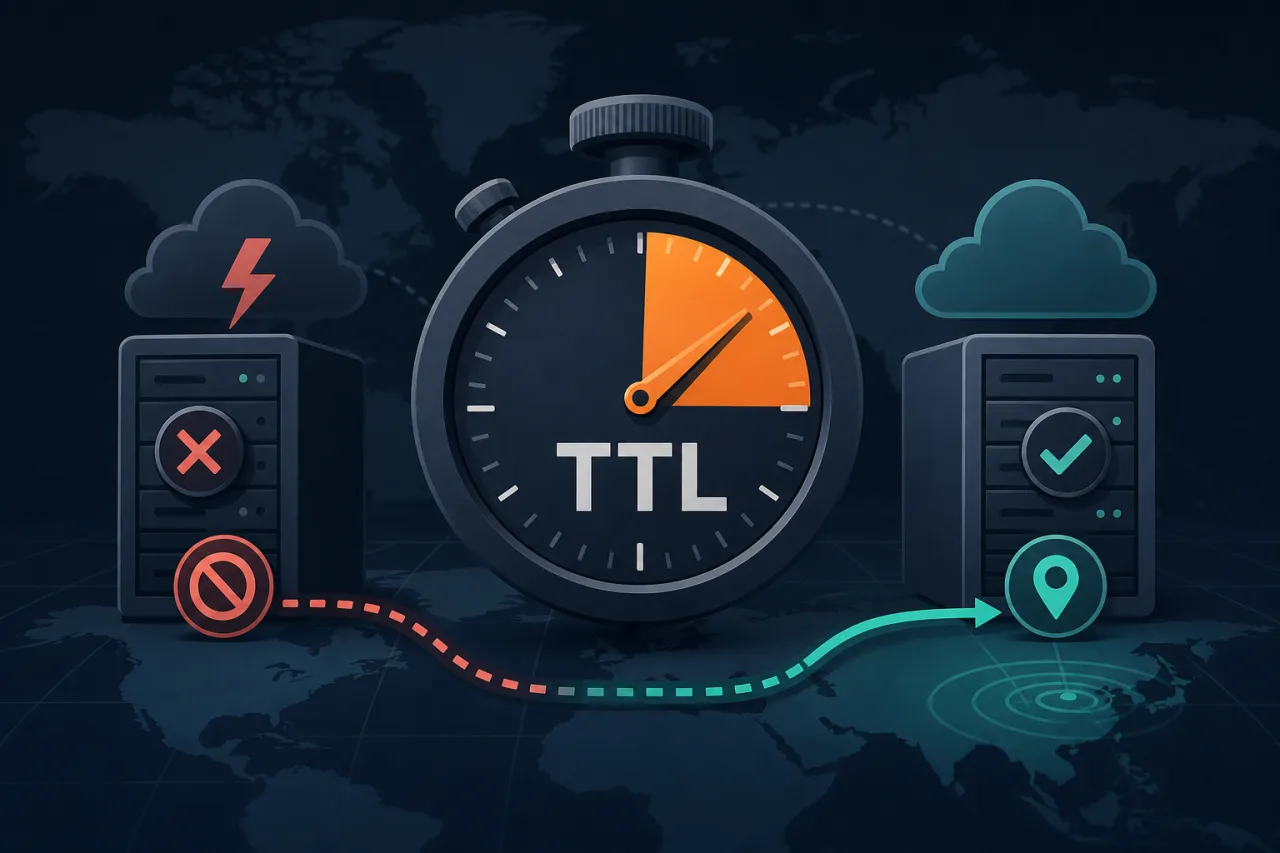
DNS TTLs and Failover: Tuning for Fast Recovery
How to set DNS TTLs strategically so that when something breaks, traffic moves away from the failed endpoint as fast as possible.
BGP Route Leaks: What Fails and How to Investigate
Trace an accidental transit path, understand the limits of origin validation, and collect evidence for a regional reachability problem.
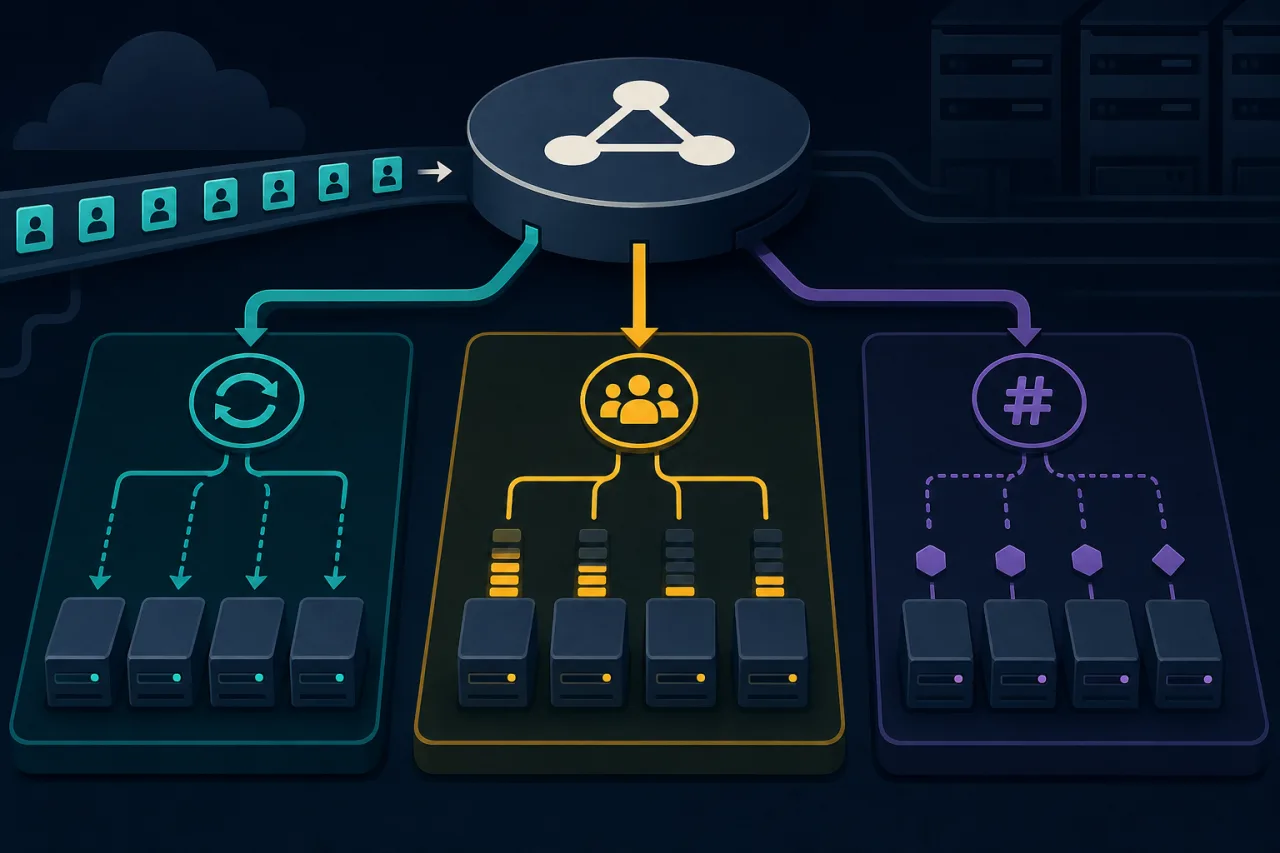
Load Balancing Algorithms Compared: Round-Robin vs Least-Connections vs Hashing
A practical breakdown of the three most common load balancing algorithms—when each one fits, where each one breaks, and how to choose.
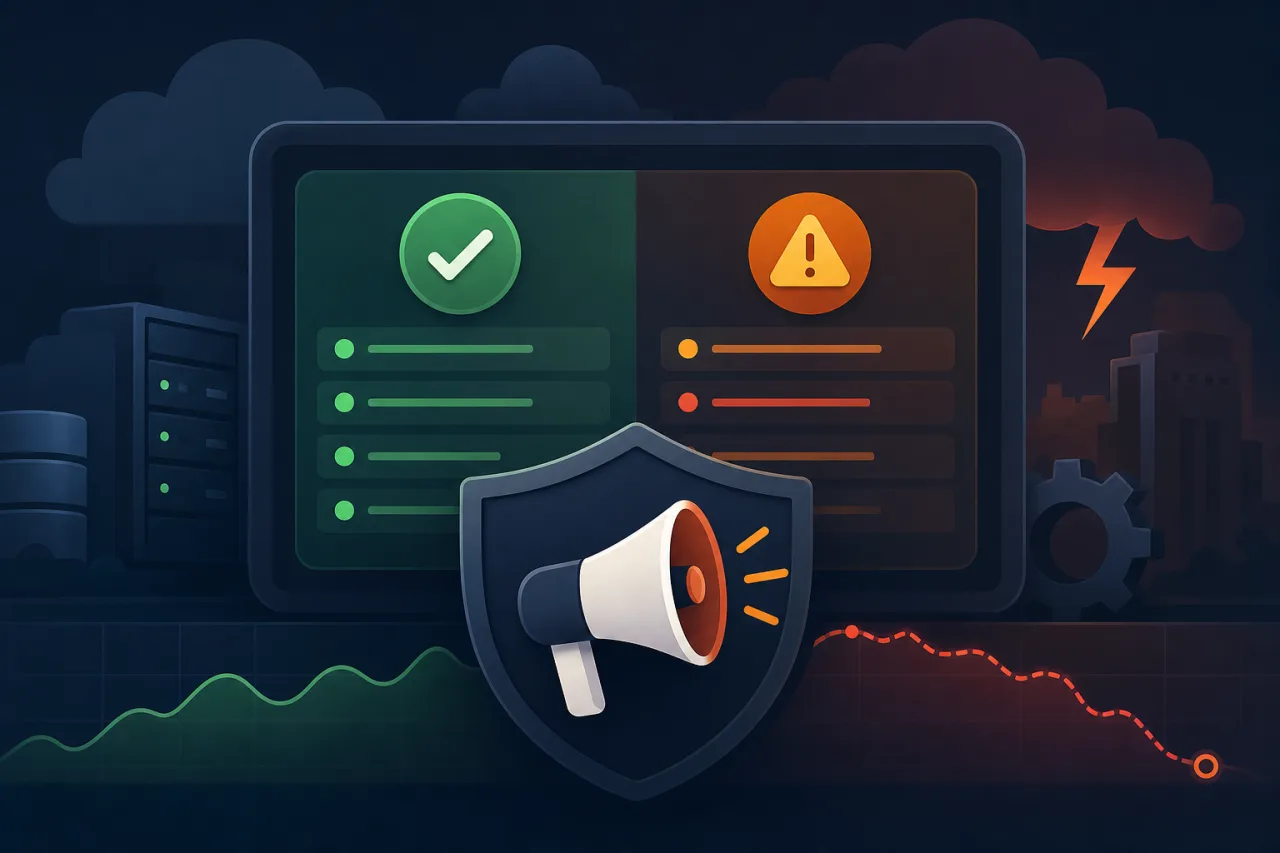
Status Pages: How to Communicate During an Incident
A practical guide to setting up and running a status page that keeps users informed and your support queue manageable when things go wrong.
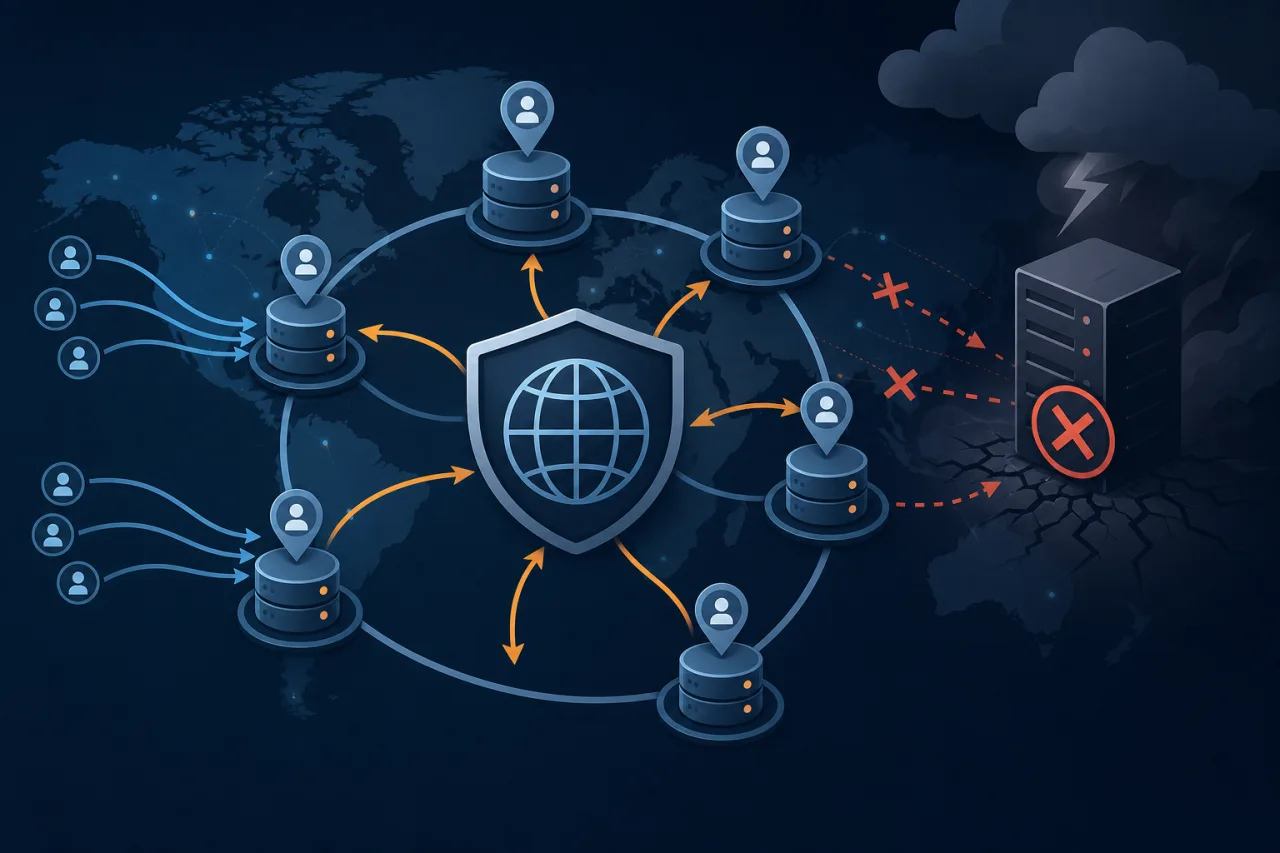
How CDNs Improve Uptime and Absorb Traffic Spikes
A practical look at how content delivery networks distribute load, reduce single points of failure, and keep your site responding when traffic surges or an origin goes down.
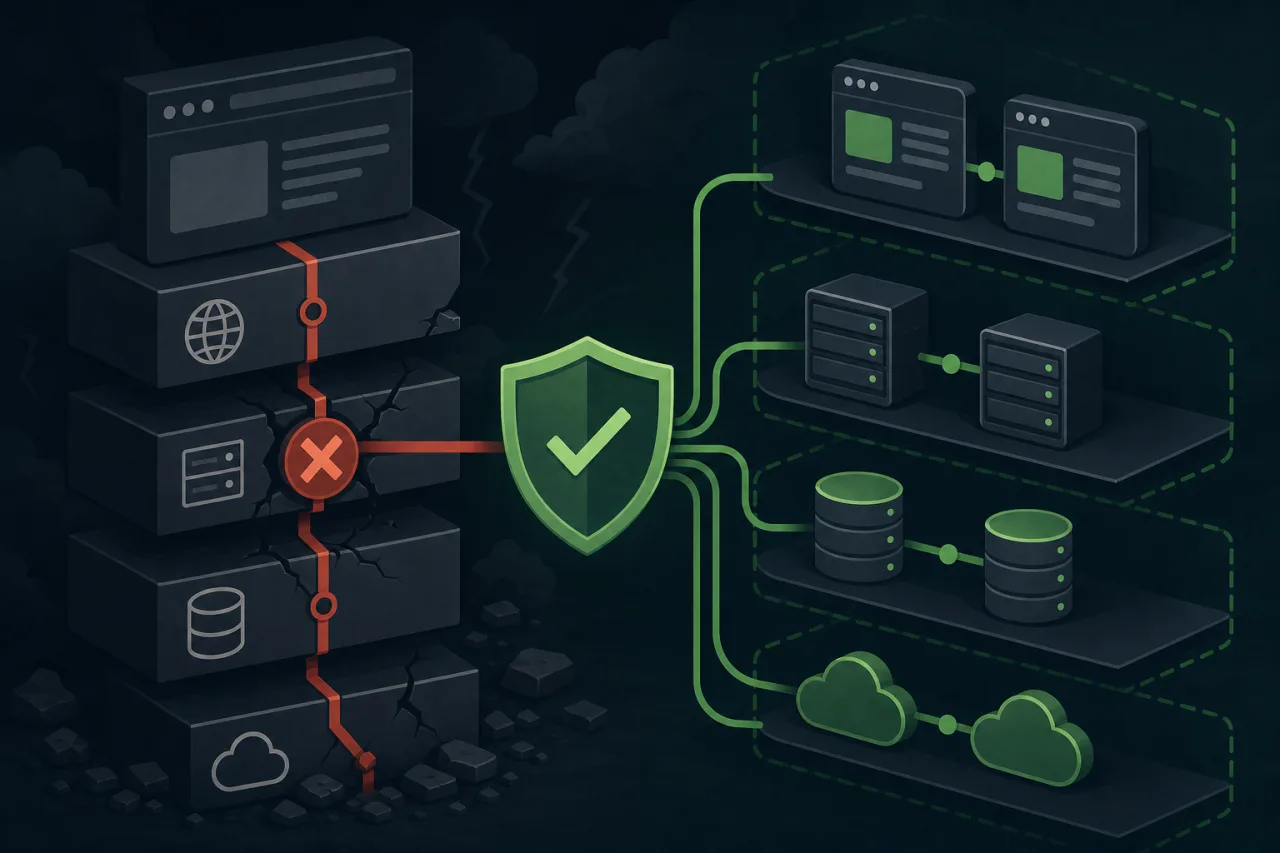
Eliminating Single Points of Failure in Your Web Stack
A practical walkthrough of where SPOFs hide in a typical web stack and how to engineer them out before they take your site down.
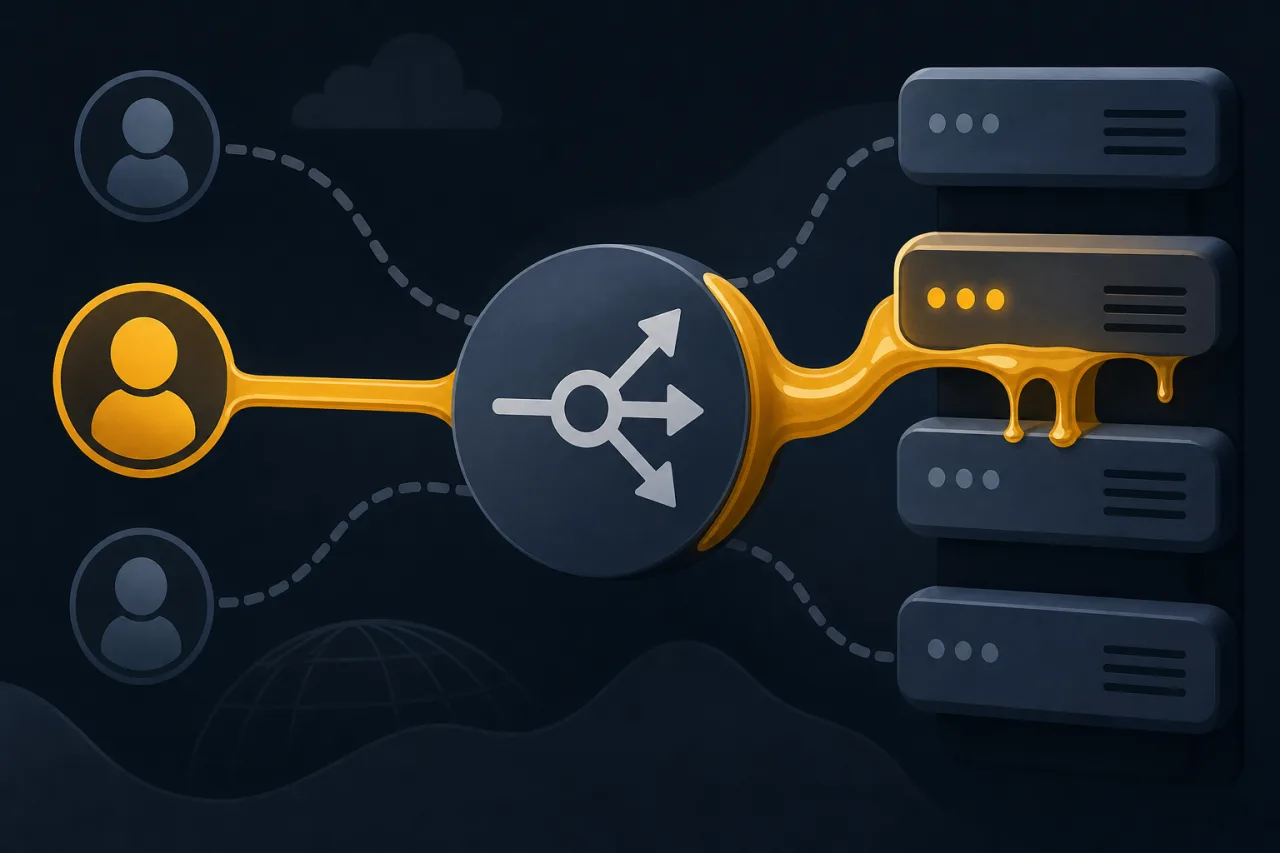
Sticky Sessions: When You Need Them and When They Hurt
A practical guide to understanding session affinity in load balancers — the problems it solves, the new problems it creates, and how to decide whether you actually need it.
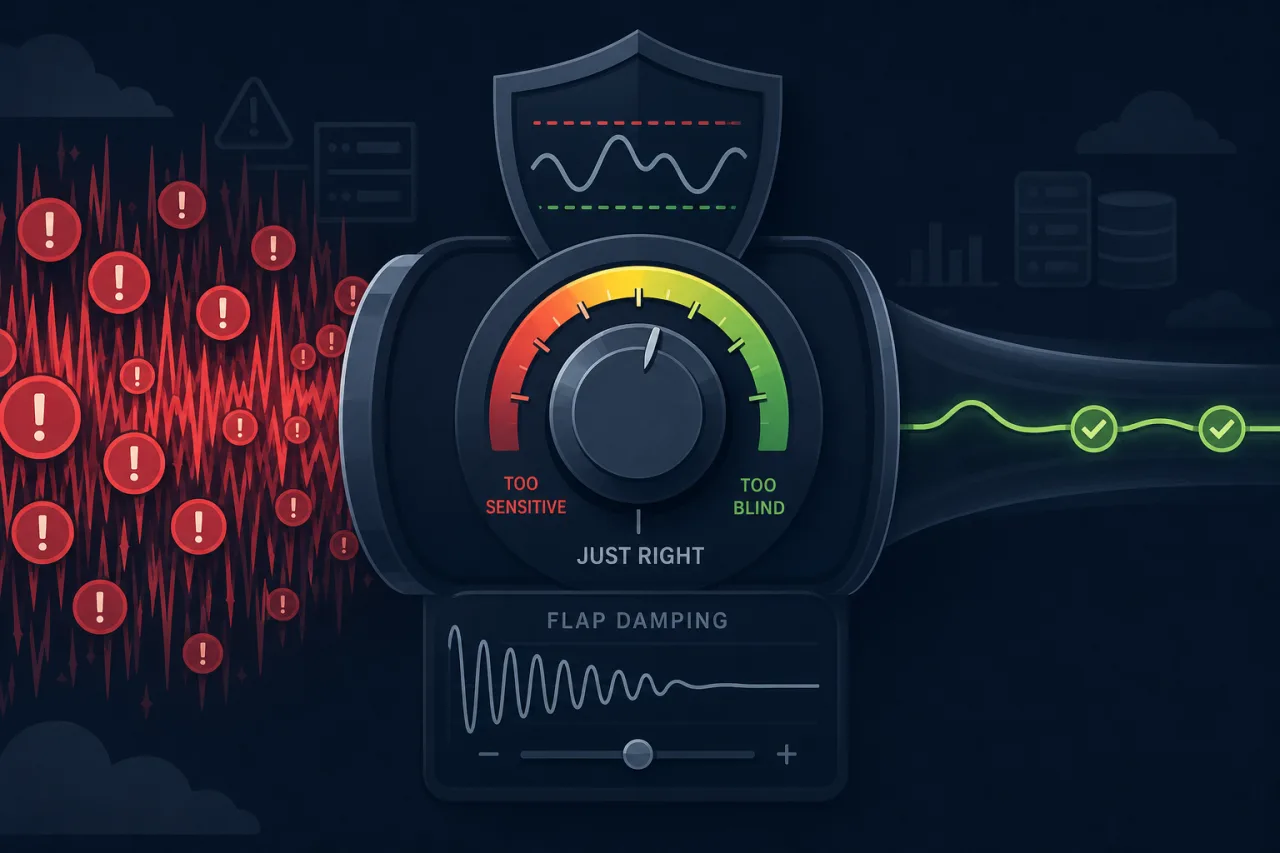
Reducing Alert Fatigue with Smart Thresholds and Flap Damping
How to stop your on-call rotation from drowning in noise by tuning alert thresholds and suppressing transient failures before they page anyone.
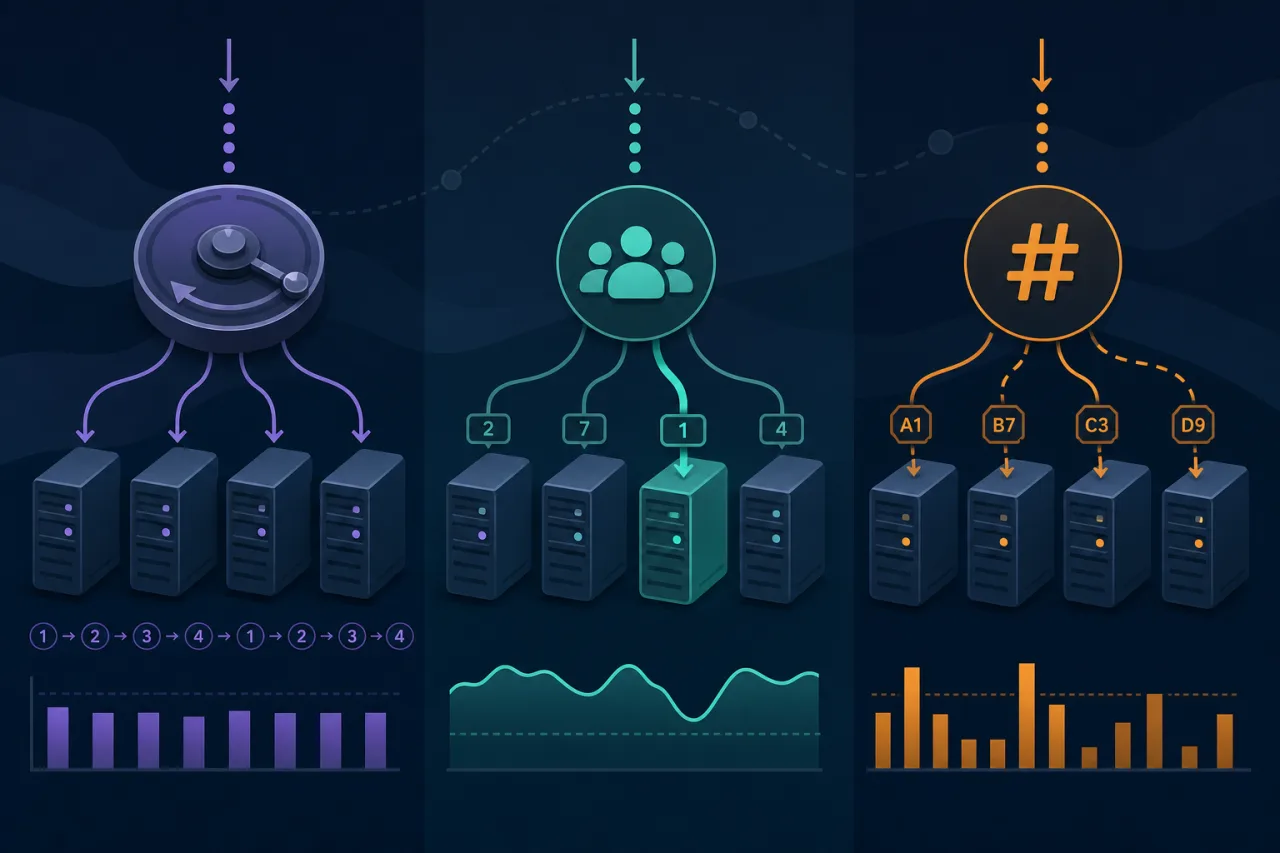
Load Balancing Algorithms Compared: Round-Robin vs Least-Connections vs Hashing
A practical breakdown of three core load balancing algorithms—when each one fits, where each one breaks, and how to choose between them.