Tutorials
Practical guides on uptime, monitoring, DRaaS, load balancing and AWS reliability from Pingy.io. Tracking an incident? See Outage Reports.
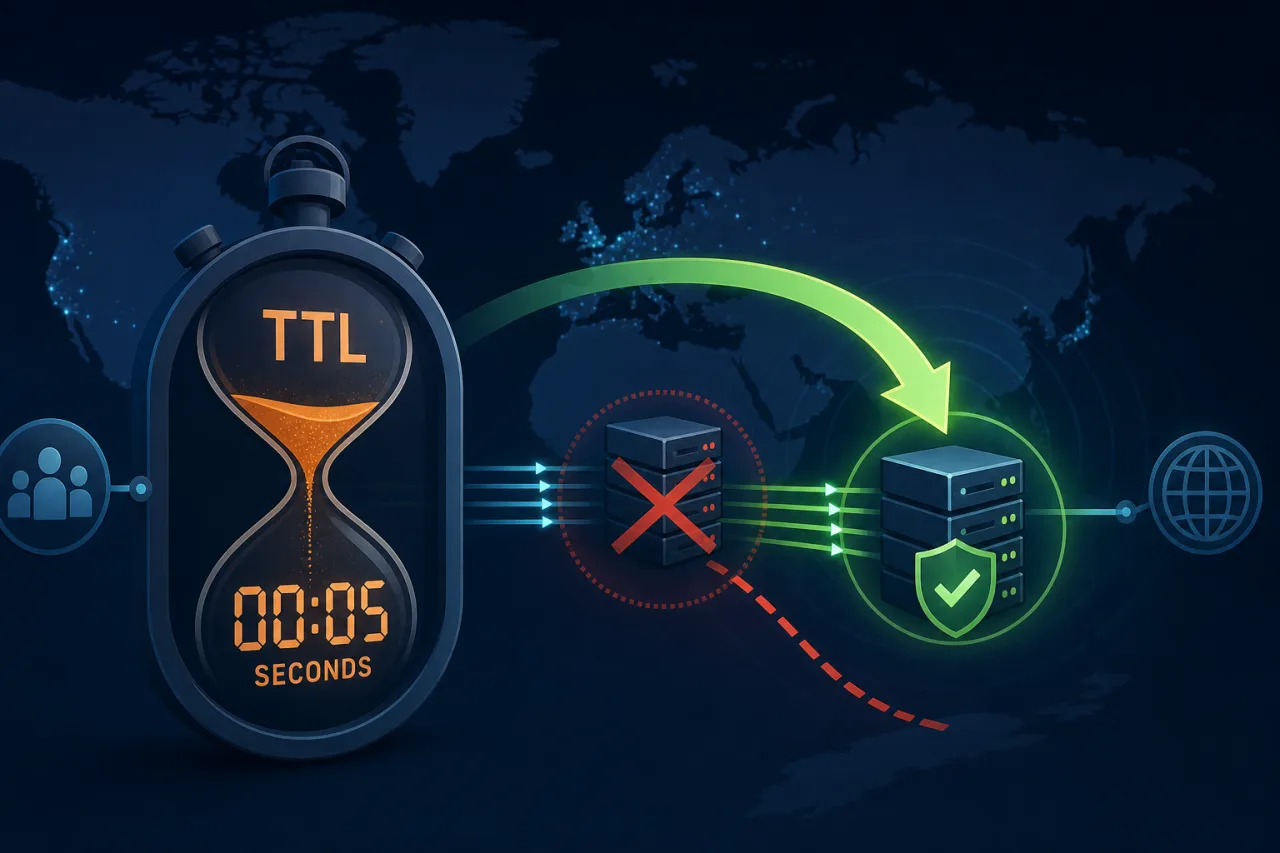
DNS TTLs and Failover: Tuning for Fast Recovery
How to set DNS TTLs strategically so that when something breaks, traffic reroutes in seconds rather than hours.
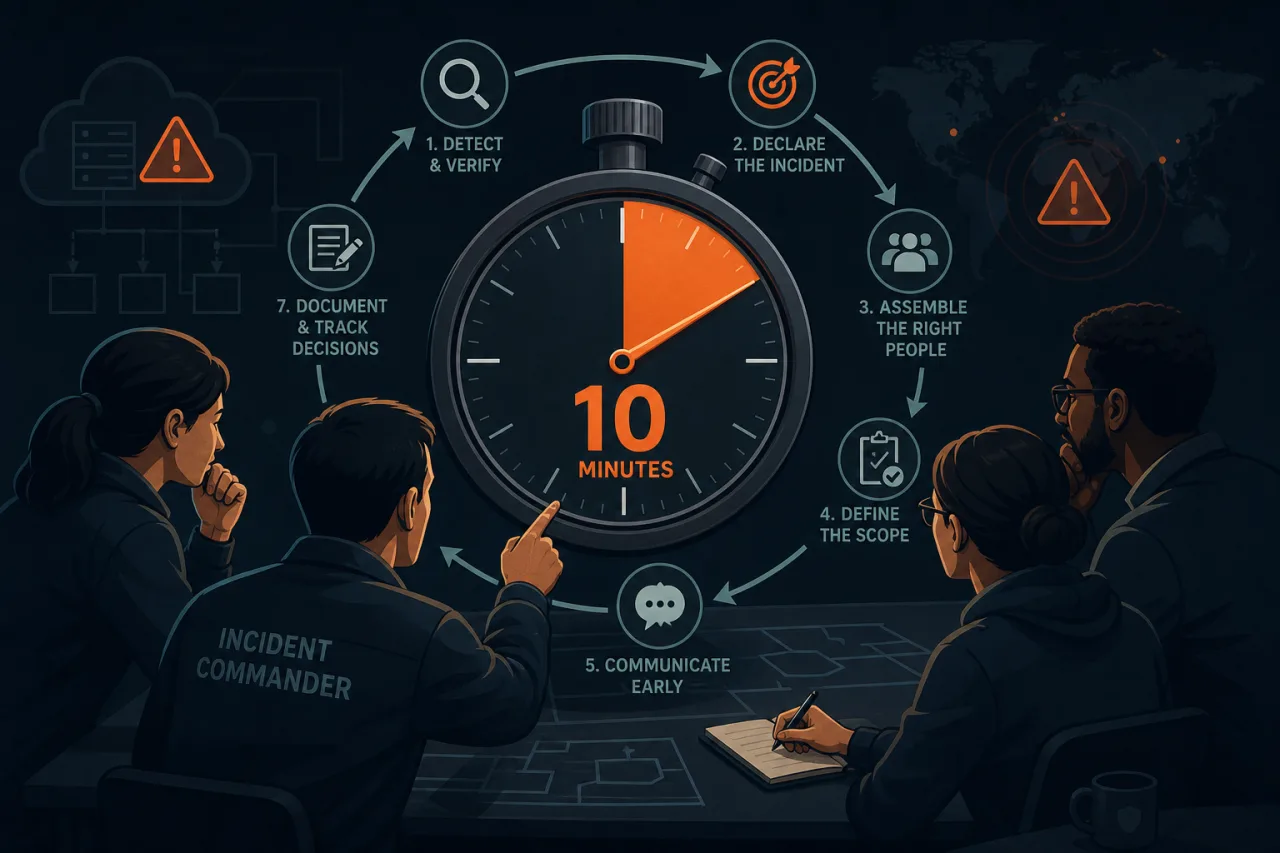
The First 10 Minutes of an Outage: An Incident Commander's Checklist
A concrete, step-by-step guide to the critical decisions and actions that shape every incident's outcome before most people even know something is wrong.
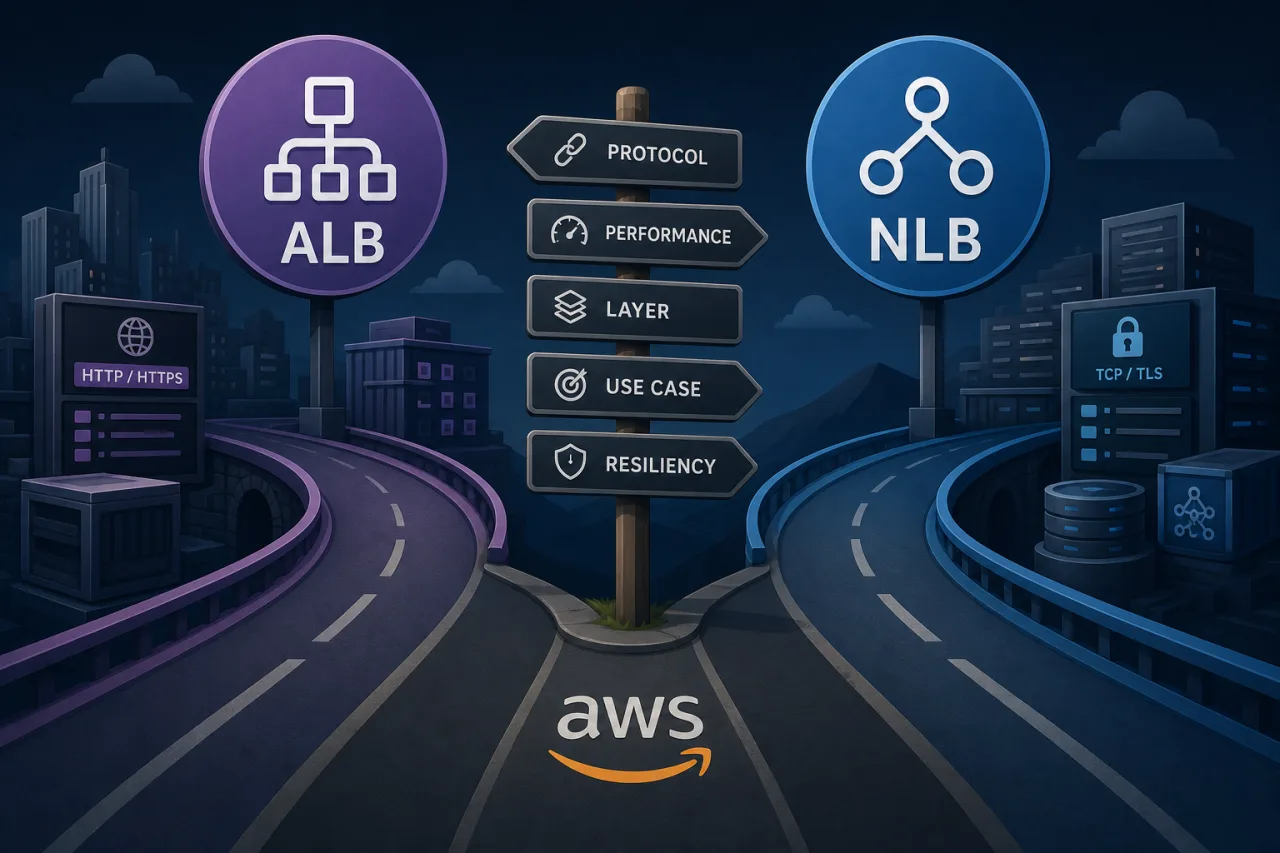
Application Load Balancer vs Network Load Balancer: Choosing the Right AWS Load Balancer
A practical breakdown of when to use ALB versus NLB on AWS, with concrete criteria to guide your architecture decision.
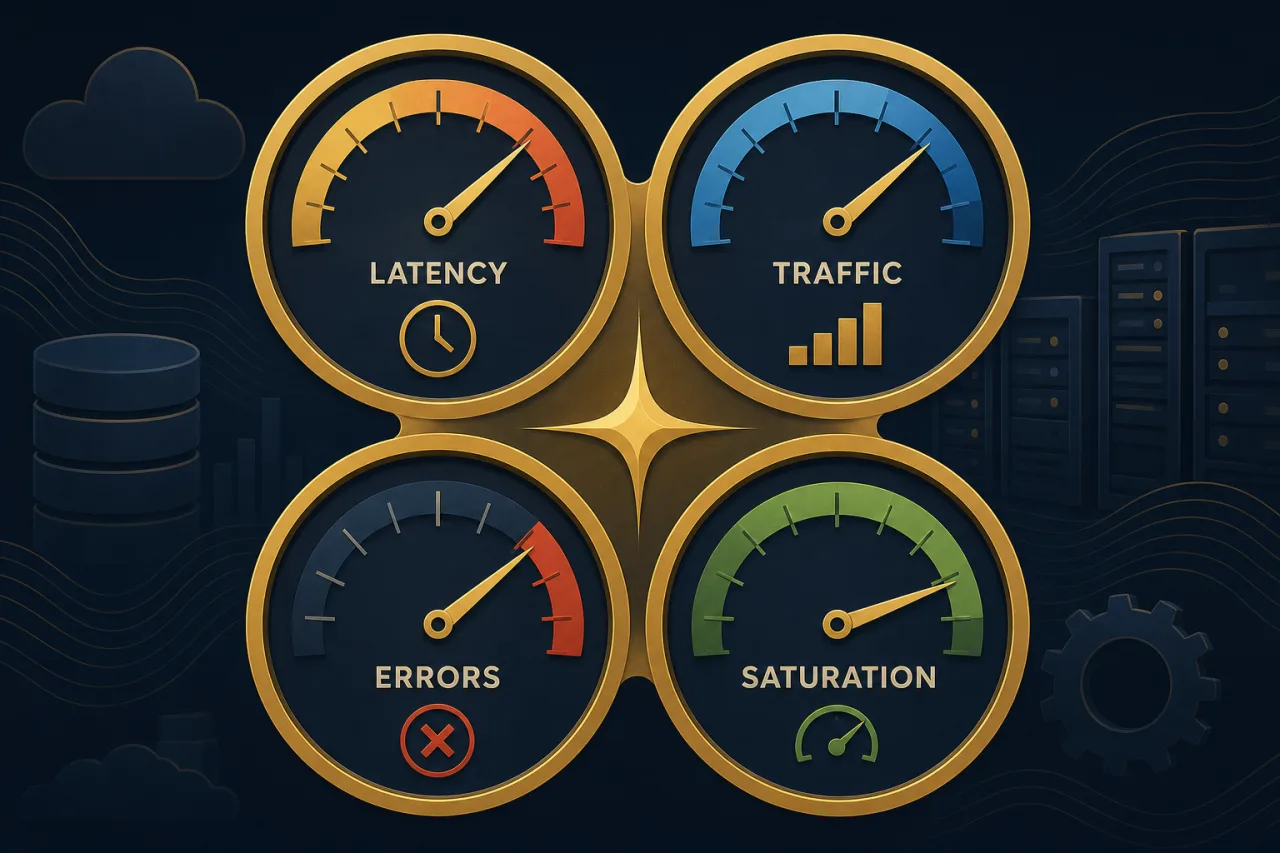
The Four Golden Signals of Monitoring
A practical breakdown of latency, traffic, errors, and saturation — the four metrics Google's SRE book says every service needs to track.
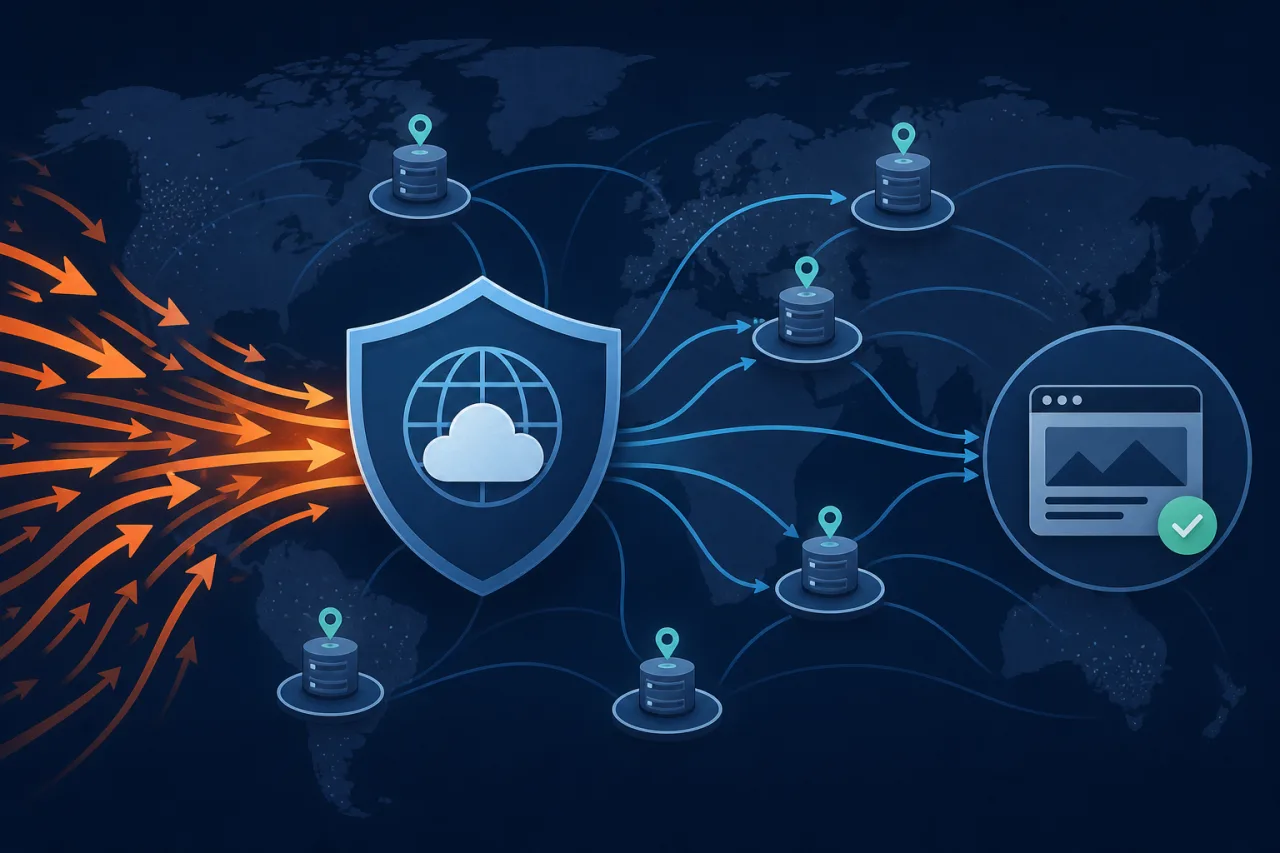
How CDNs Improve Uptime and Absorb Traffic Spikes
A practical look at how content delivery networks keep your site available under pressure — and what to watch for when you rely on one.
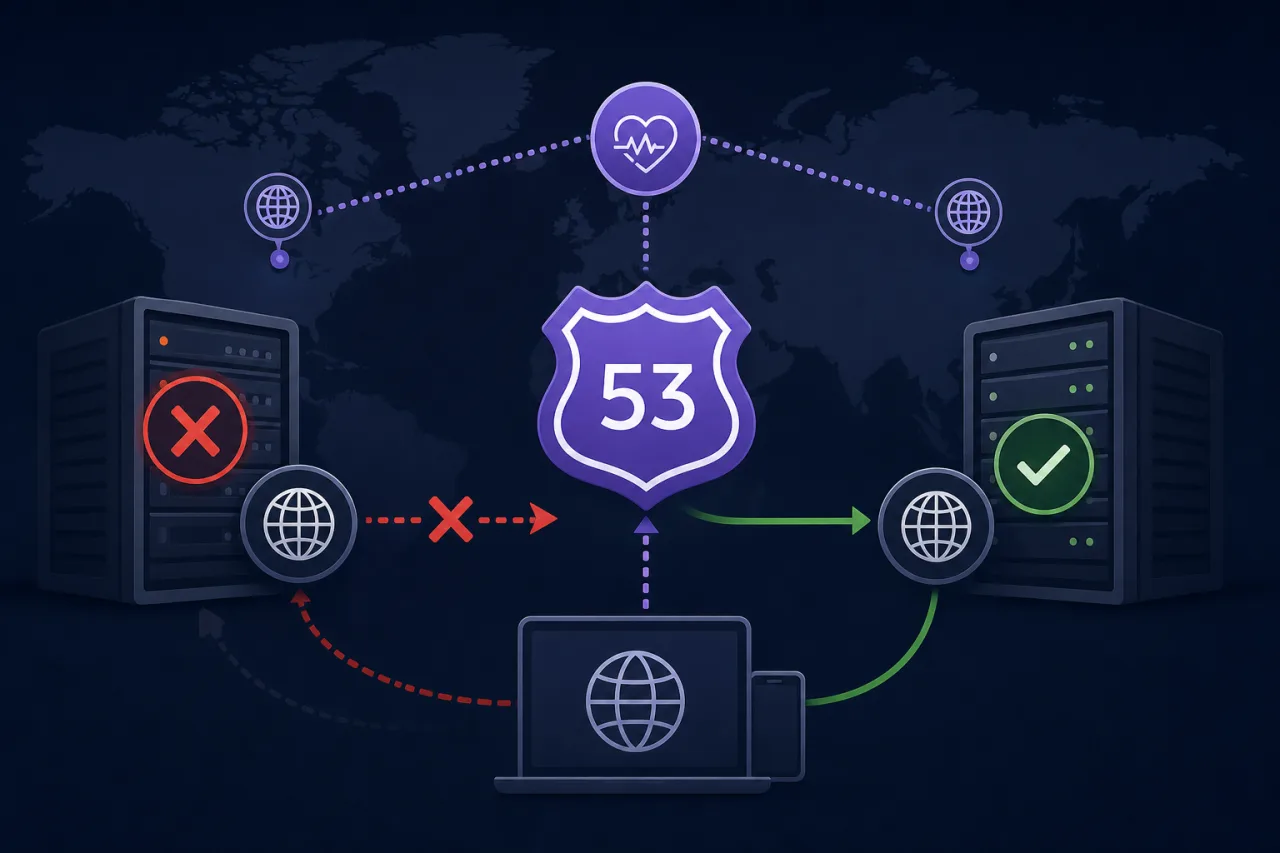
Route 53 Health Checks and DNS Failover, Step by Step
How to configure Route 53 health checks and DNS failover so traffic automatically routes away from a failing endpoint — with no manual intervention required.
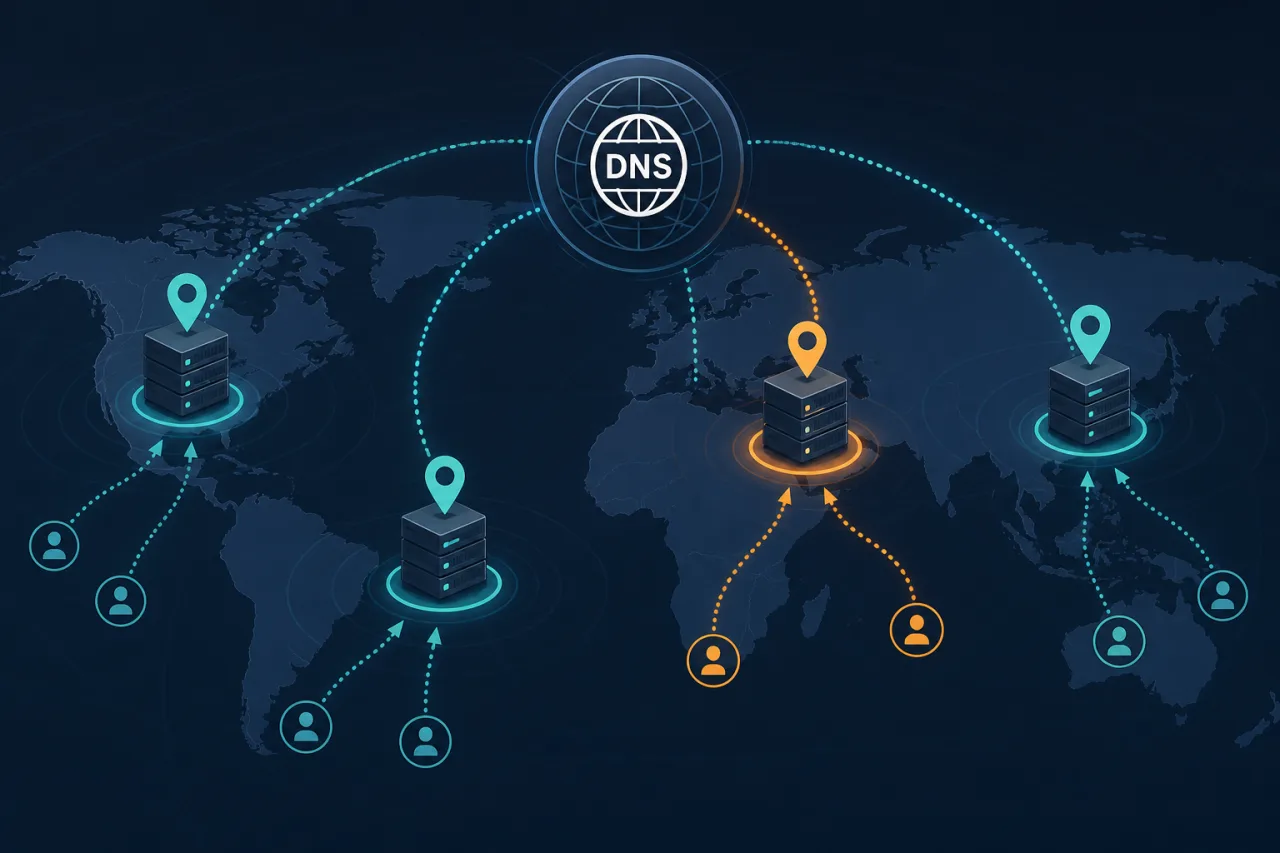
Global Server Load Balancing and Anycast DNS: A Practical Guide
How GSLB and anycast DNS work together to route traffic intelligently across multiple regions — and what you need to know to implement them correctly.
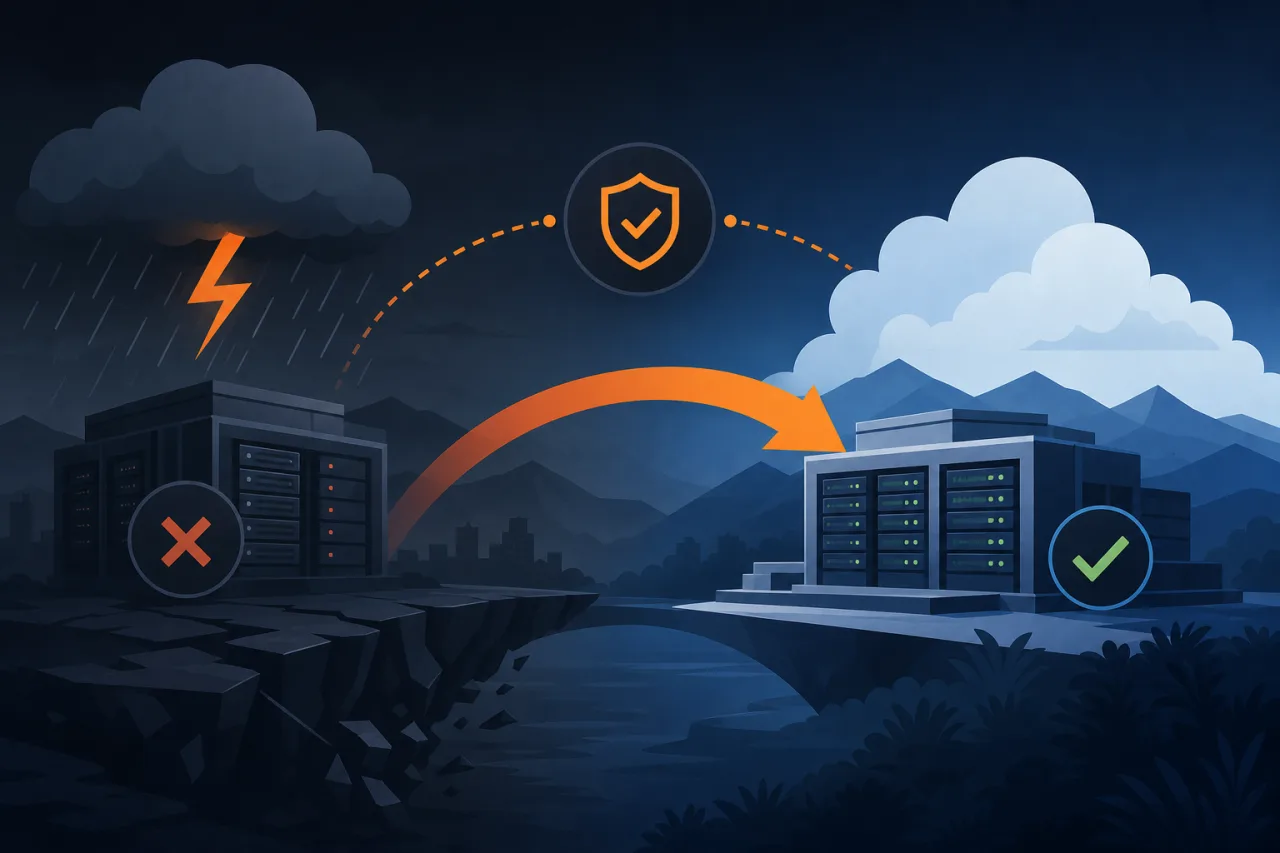
Building a Warm-Standby Disaster Recovery Site
A practical walkthrough for setting up a warm-standby DR environment that can absorb production traffic quickly when your primary region goes down.
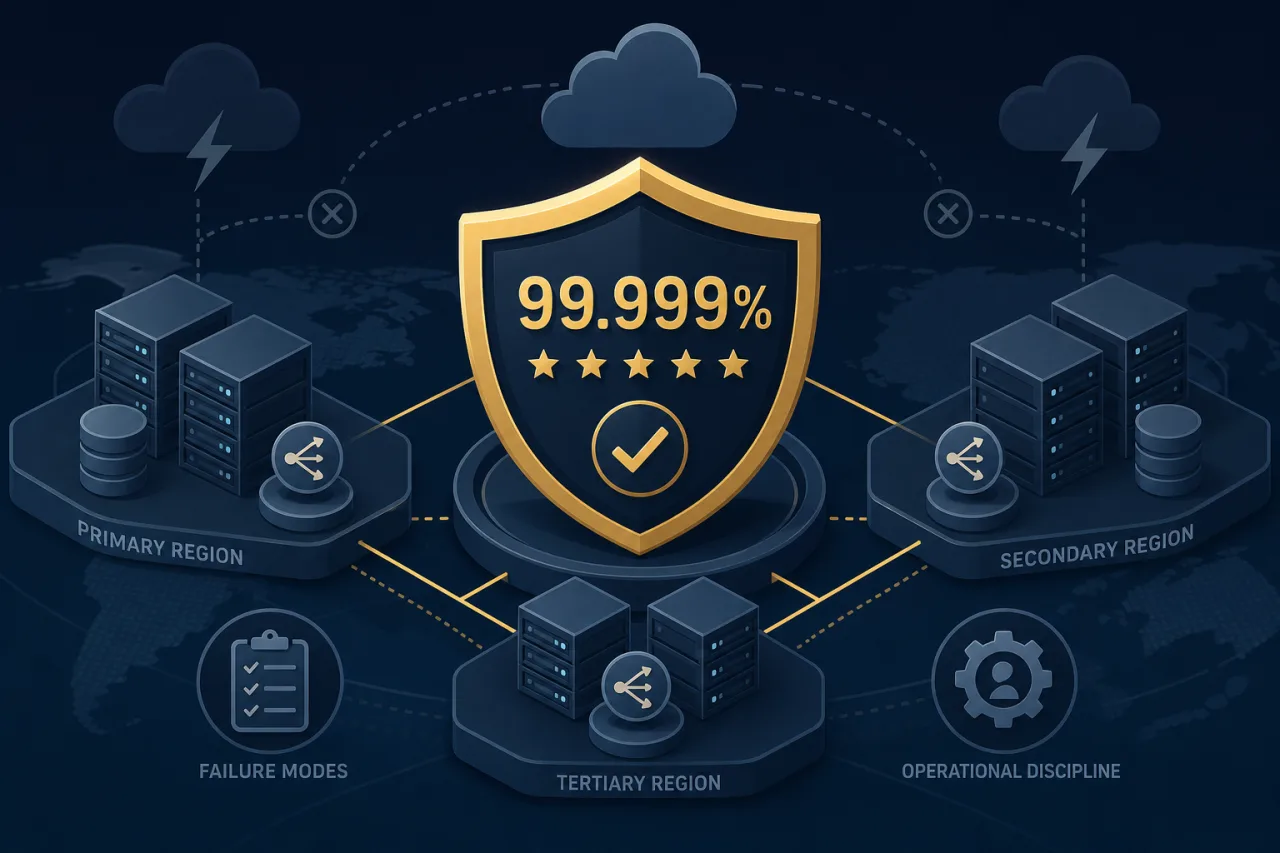
How to Design for Five-Nines (99.999%) Uptime
A practical breakdown of the architecture decisions, failure modes, and operational discipline required to hit 99.999% availability in production.
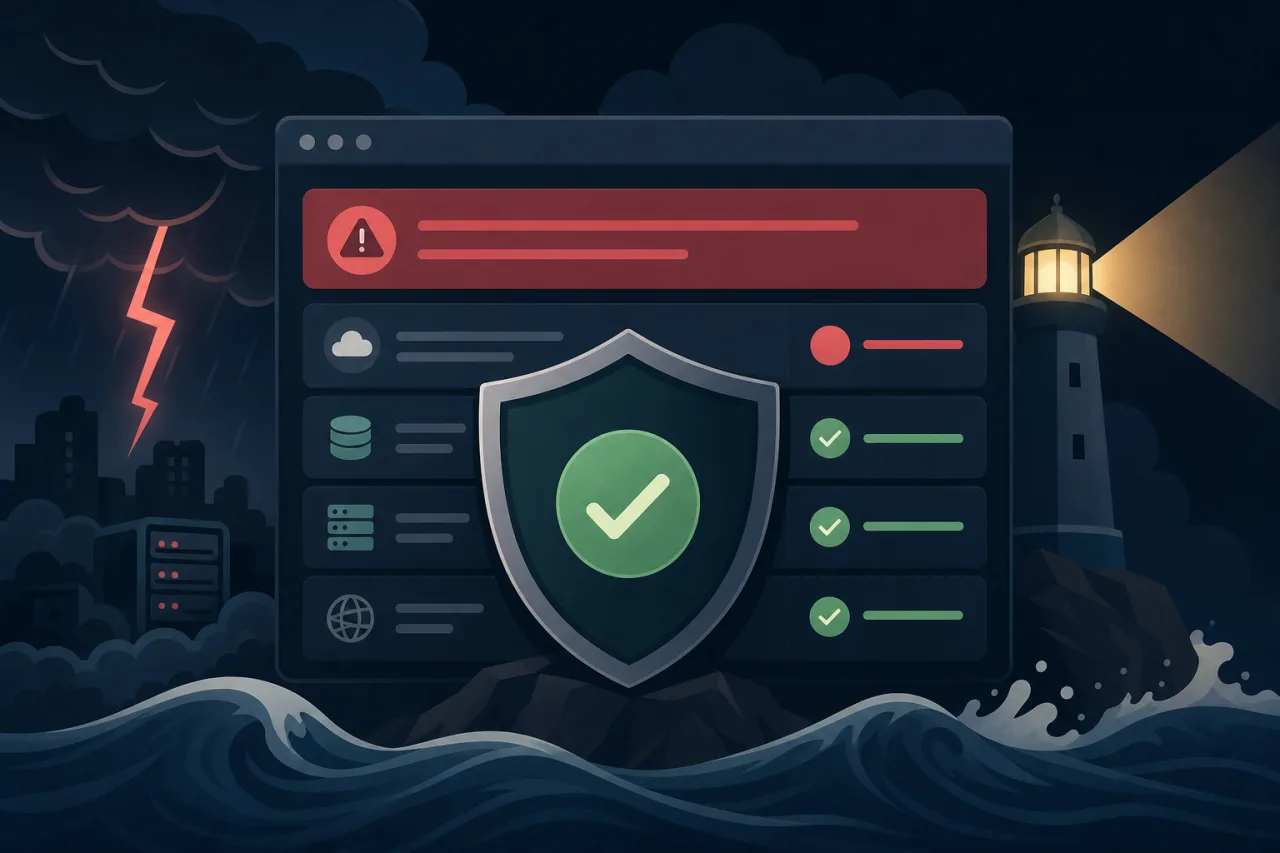
Status Pages: How to Communicate During an Incident
A practical guide to building and running a status page that keeps users informed—and trust intact—when things go wrong.
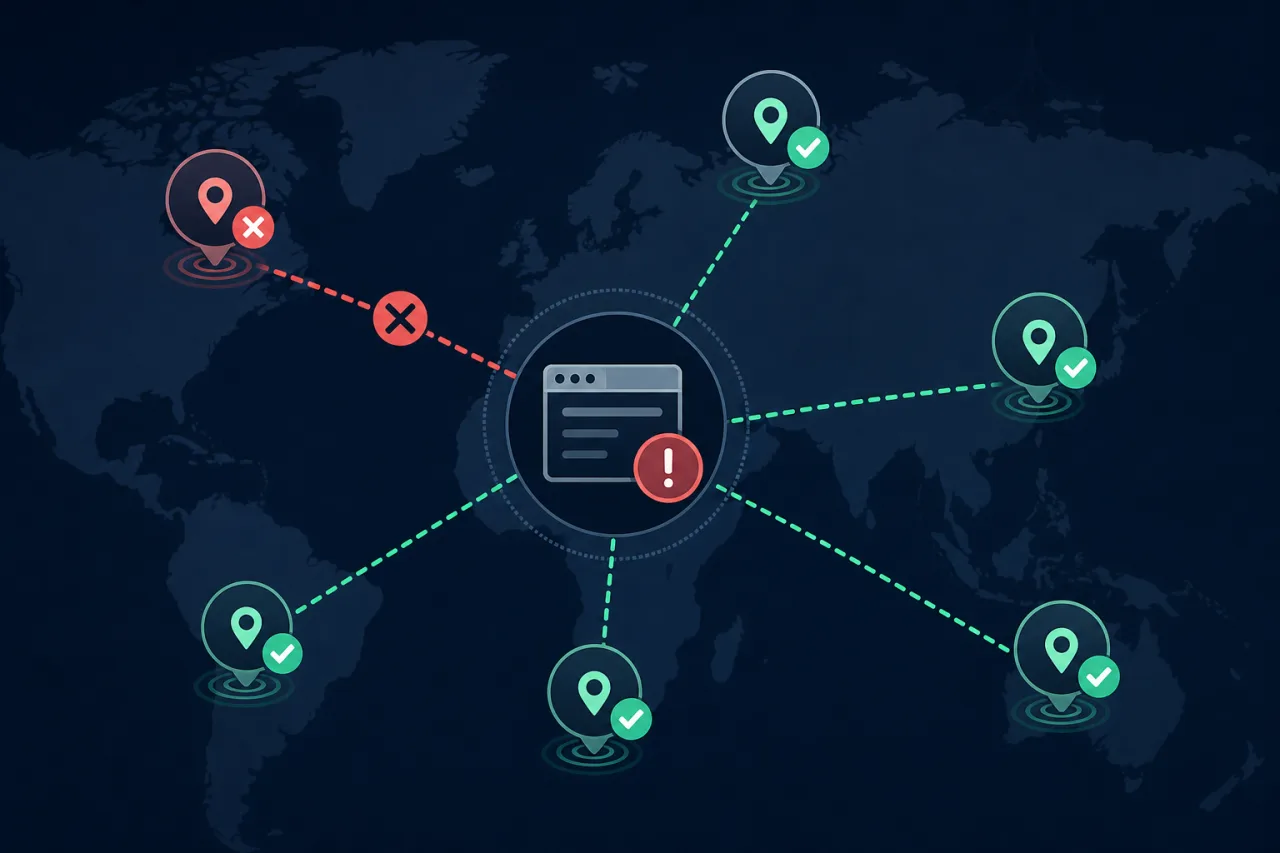
Why Multi-Region Monitoring Beats Single-Location Checks
A single monitoring node can't tell you whether your site is down or just unreachable from one corner of the internet — here's why distributed checks matter and how to set them up right.
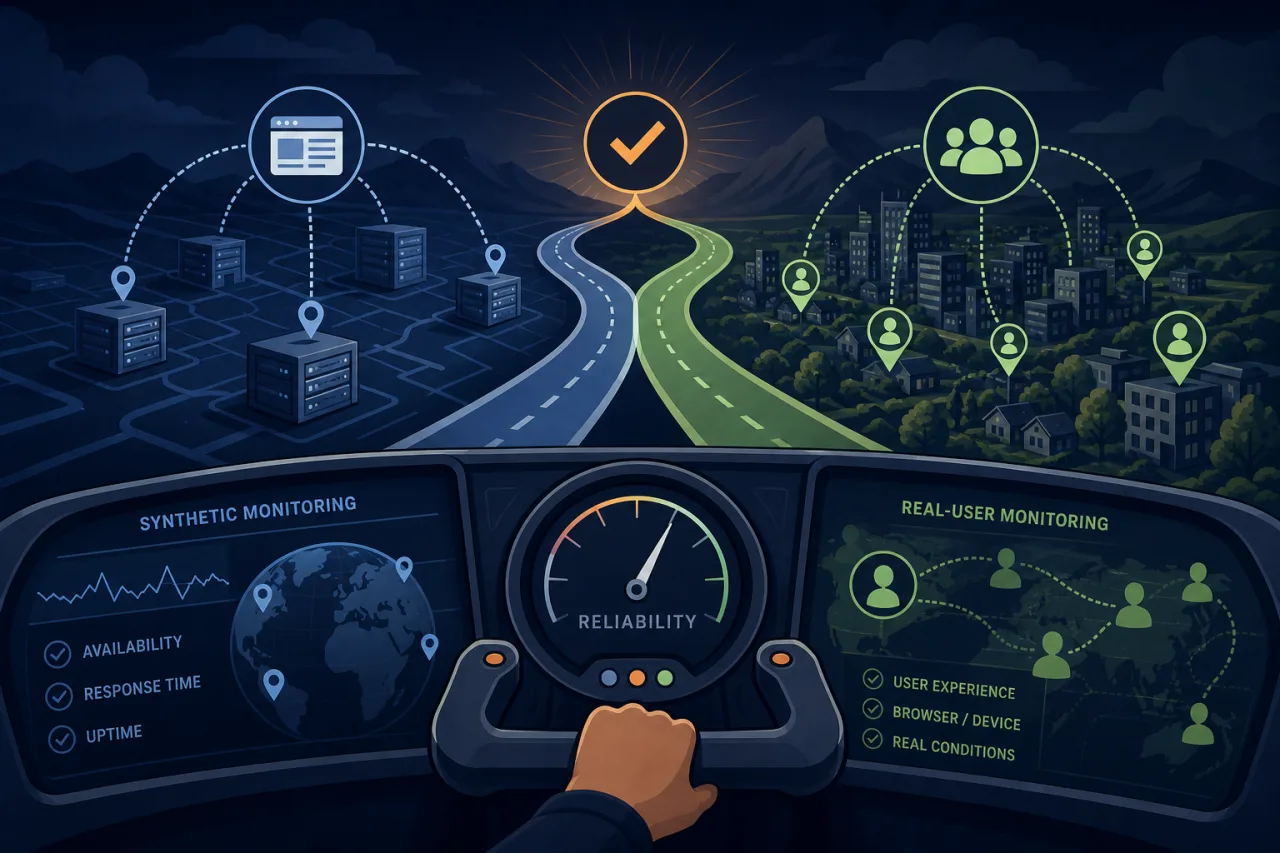
Synthetic Monitoring vs Real-User Monitoring (RUM): Choosing the Right Tool
A practical breakdown of how synthetic and real-user monitoring work, what each catches that the other misses, and how to use both together.